Can your face shape change? The short practical answer is that the underlying bony framework is comparatively stable after growth, while the outline you see in a mirror or photograph can change a great deal. Facial fat, skin, muscle, hairstyle, facial hair, expression, lighting, and camera distance all influence the visible shape. That is why a face can seem rounder in one period, more angular in another, and oddly unfamiliar in a close selfie without having become a completely different category. It is more helpful to treat face shape as a current visual description than as a permanent identity.
What stays relatively stable in facial structure
The bones of the forehead, cheek area, jaw, and chin provide the basic scaffold of a face. During childhood and adolescence that scaffold is still developing, so proportions can change substantially as the jaw grows and facial features mature. In adulthood, the broad structure is much steadier than the surface. A person who has a naturally wider jaw or a longer distance from forehead to chin will usually keep those underlying tendencies even if their cheeks look fuller or leaner at different times.
Why the visible outline can look different over time
That stable structure is one reason face-shape labels can be useful in a limited way. They describe a recurring balance between width, length, forehead, cheekbones, and jaw rather than predicting every photograph. But labels are blunt tools. Most faces combine traits: a broad forehead with a soft jaw, or prominent cheekbones with a long lower face. If a label stops matching what you see, it does not mean anything is wrong. It may simply be too small a description for a changing, three-dimensional face.
Soft tissue creates much of the face outline we notice first. Small changes in facial fat can make the cheeks, jaw, and area beneath the chin appear more or less defined. Fluid retention, sleep, alcohol, salty meals, allergies, and hormonal cycles can also change how puffy the face looks from one day to another. These shifts are often temporary, yet they can be dramatic enough to make a favourite pair of glasses or a contour placement feel different.
With age, skin elasticity and the distribution of soft tissue can change gradually. Cheek volume may sit differently, shadows under the cheekbone can become more visible, and the jawline may look softer or less sharply outlined. This is normal variation, not evidence that you need to chase a new face shape every year. A calmer way to respond is to refresh styling choices when something no longer feels balanced: perhaps a different frame depth, a lighter brow, a new parting, or a beard line that follows the current jaw more gently.
| What changes the look | How it can affect the outline | Useful way to check it |
|---|---|---|
| Facial fullness or fluid retention | Cheeks and lower face may look softer or wider | Compare several daylight photos, not one morning mirror check |
| Haircut or facial hair | Can add width, length, or contrast around the face | Take a front and profile photo before and after a change |
| Expression and posture | Smile, jaw tension, and chin angle reshape visible lines | Use a relaxed neutral expression for comparisons |
| Camera distance and lens | Can widen the centre or compress depth | Step back and use a standard lens at eye level |
Weight changes affect appearance, not a fixed label
Weight changes can alter the amount and distribution of soft tissue in the face, which may make cheekbones, temples, or the jawline look more or less visible. The result varies widely between people. Some notice change first in the cheeks; others see very little difference in the face even when their body changes. It is not possible to predict a new face shape from a number on a scale, and it is not useful to turn face-shape advice into a weight goal.
If your appearance has changed and you are considering a new haircut, glasses, or grooming routine, work with the face you see now. Use recent photos in natural light, and avoid making a purchase based on an old photo or a temporary puffy day. If a sudden facial swelling, asymmetry, pain, or other physical change concerns you, seek appropriate professional care rather than trying to explain it through styling. Ordinary face-shape guidance is for visual choices, not for diagnosing what is happening in the body.
Hair and facial hair can change perceived proportions quickly
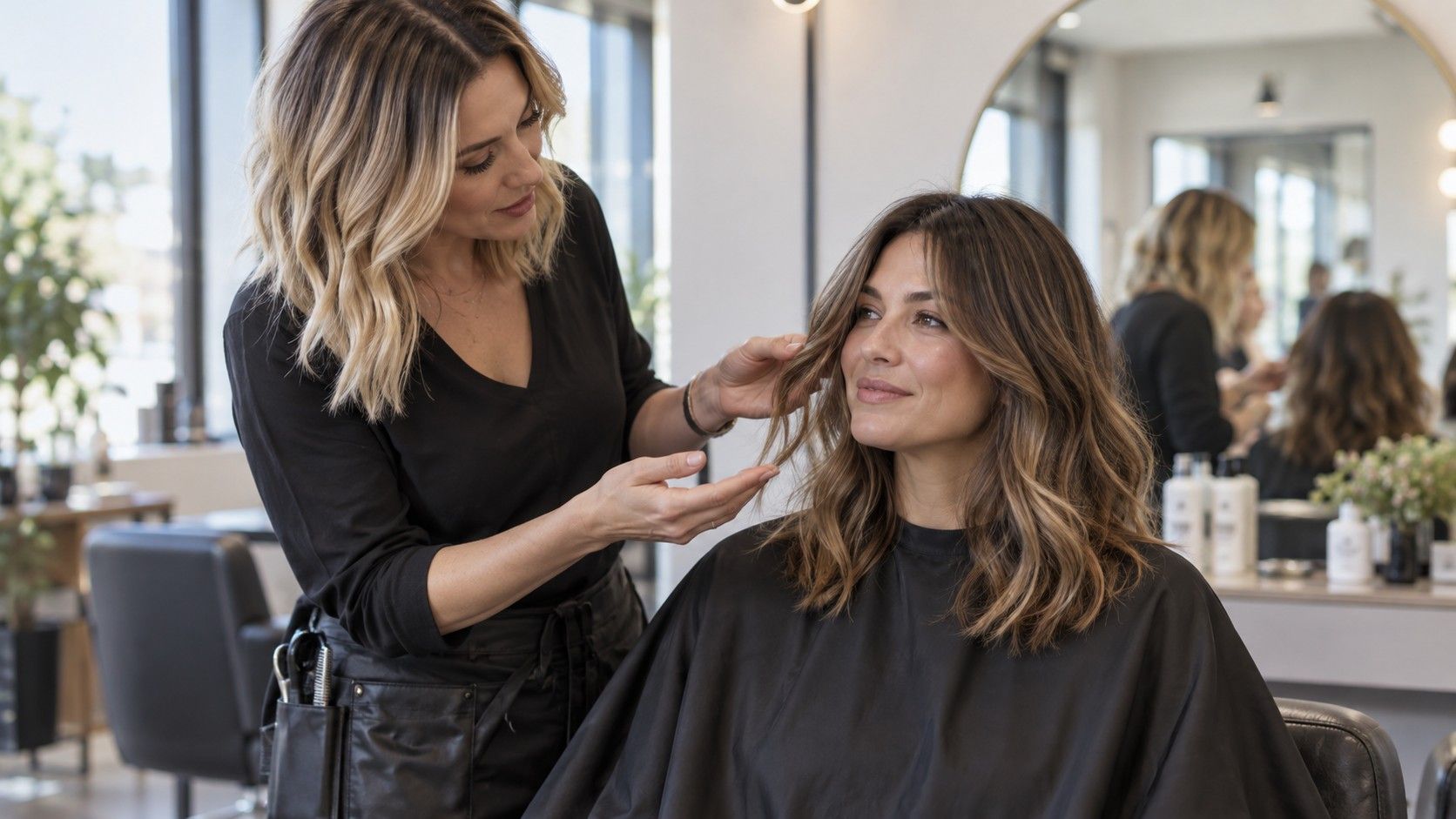
Hair is one of the fastest ways to change the frame around a face. Volume at the sides can add perceived width; height at the crown can add vertical emphasis; a fringe can shorten the visible forehead. The same cut can look different after a few weeks as the shape grows out. That is why it helps to take a photo when a haircut feels especially right and note the parting, length around the cheeks, and amount of volume. You are recording a useful proportion, not trying to preserve a rigid look forever.
Facial hair has a similar effect. A beard with extra controlled length at the chin can add vertical direction, while fuller sides can make a narrow face seem broader. A moustache, sideburns, or clean-shaven cheeks can shift the emphasis again. Glasses and eyebrow shape add smaller but still visible lines around the eyes. When several of these changes happen together, the face can appear transformed even though the underlying structure has not changed. Adjust one element at a time if you want to understand what is making the difference.
Photos and mirrors do not always agree
Mirrors show a reversed, moving version of your face at a distance you choose. Photos freeze a split second, use a particular lens, and often flatten or distort depth. A close front-camera selfie can enlarge the nose and central face while narrowing the sides, especially with a wide-angle lens. A camera held below eye level can make the jaw look heavier; one held above can change the apparent forehead and cheekbones. Neither image is necessarily false, but neither is a complete description.
For a fair comparison, take several photos at eye level from a few steps away in even daylight. Use the same camera and roughly the same focal length, relax your jaw, and keep your hair away from the outline if you are specifically assessing face proportions. Compare a short sequence rather than choosing the most flattering or least flattering frame. You will usually see that the face is more consistent than a single close selfie suggested, while still allowing for normal variation in expression and lighting.
Refresh styling choices without chasing a permanent category
A face-shape assessment is most helpful when it leads to a simple experiment. If your cheeks look fuller than they did last year, try frames with a slightly clearer upper line or move blush a little higher; do not assume you must abandon every style you liked before. If your jawline looks more defined, a softer beard edge or rounded frame may feel good, but it is still a choice rather than a correction. The goal is comfort with your current proportions, not a campaign to force them into an ideal.
Keep the process gentle and concrete. Save a few well-lit photos, note the styling combinations that feel like you, and revisit them when your haircut, glasses, or routine changes. Face shape can look different across age, weight, and images because the surface and frame of the face are responsive. The more useful question is not whether you have permanently changed categories, but which current choices let your features look relaxed and recognisable.